
Tips for Selling Your Used Car for a Higher Price Than Expected are essential strategies that anyone should understand before putting their vehicle on the market. Many people assume that selling a used car automatically means accepting a lower price, but that’s not always true. With the right approach, preparation, and negotiation techniques, you can actually sell your car for more than you initially expected. In this guide, we will walk you through practical and proven Tips to Selling Your Used Car For a Higher Price Than Expected, from preparing your vehicle to closing the deal successfully. By applying these methods, you’ll not only sell faster but also maximize your profit significantly.
1. Be a Careful Driver
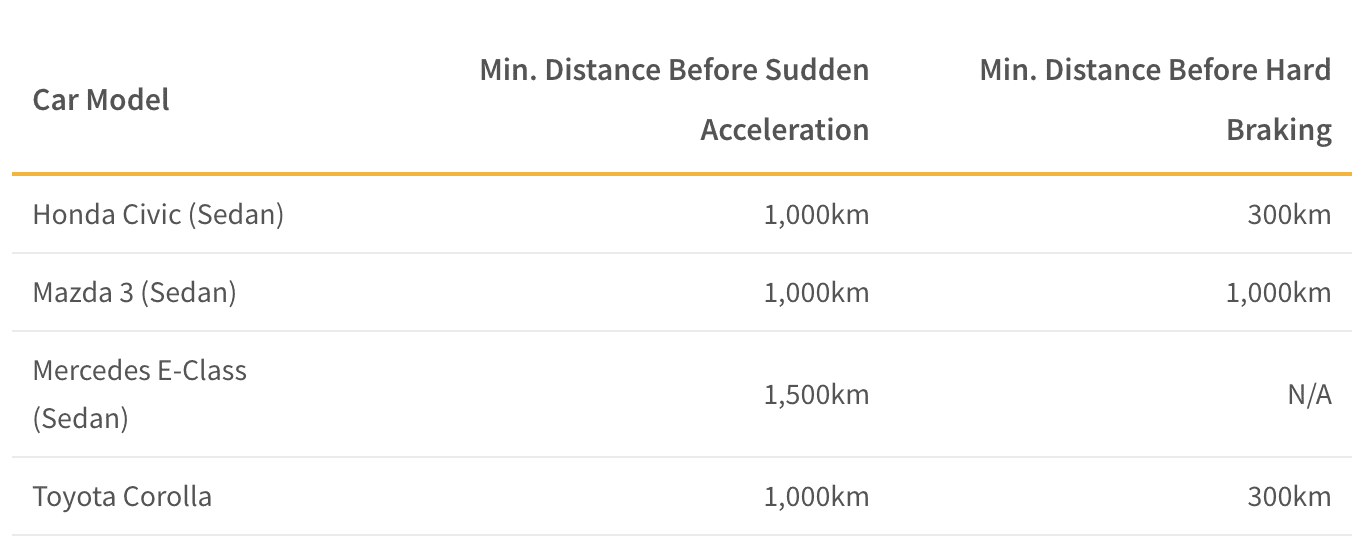
While you may not stay away from deterioration totally, there are things you can do to keep a lower resale value because of long-haul wear and tear. The most imperative approach to do this is to be a sheltered and watchful driver. While it is enticing to brake hard and take hard turns when we feel hurried or furious, these driving propensities can prompt long-term harm and accidents. Not only will your auto turn out to be more vulnerable to separating, but experienced purchasers and auto merchants will have the capacity to recognize damaged parts in your auto and endeavor to arrange a lower cost. This turns out to be all the more obvious if your auto has gotten into accidents also. Rather, you ought to practice cautious driving when you leave the dealership and consider breaking in your vehicle by being steady with your gas pedal and completely braking your motor.
Read Also : How to Get an ID Card in the United States (Step-by-Step Guide)
2. Invest in a Comprehensive Insurance Policy
A cheap comprehensive car insurance policy may be great for those who are accident-free and are planning on keeping their car until it’s time to scrap it. However, those who are realizing they may want to sell should consider investing in a more comprehensive car insurance policy to help them to ensure they’re well protected beyond basic windscreen, theft, and fire damage. For instance, HL Assurance offers complimentary car servicing and even authorizes you to make minor repairs, making maintaining your car that much more affordable. Furthermore, a good insurance policy will be able to cover costly accidents, saving you money to focus on things that can help increase the car’s value instead.
Read Also : How to Defend Against Ransomware with Cloud Backup Solutions
3. Replace Small Worn-Out Car Parts
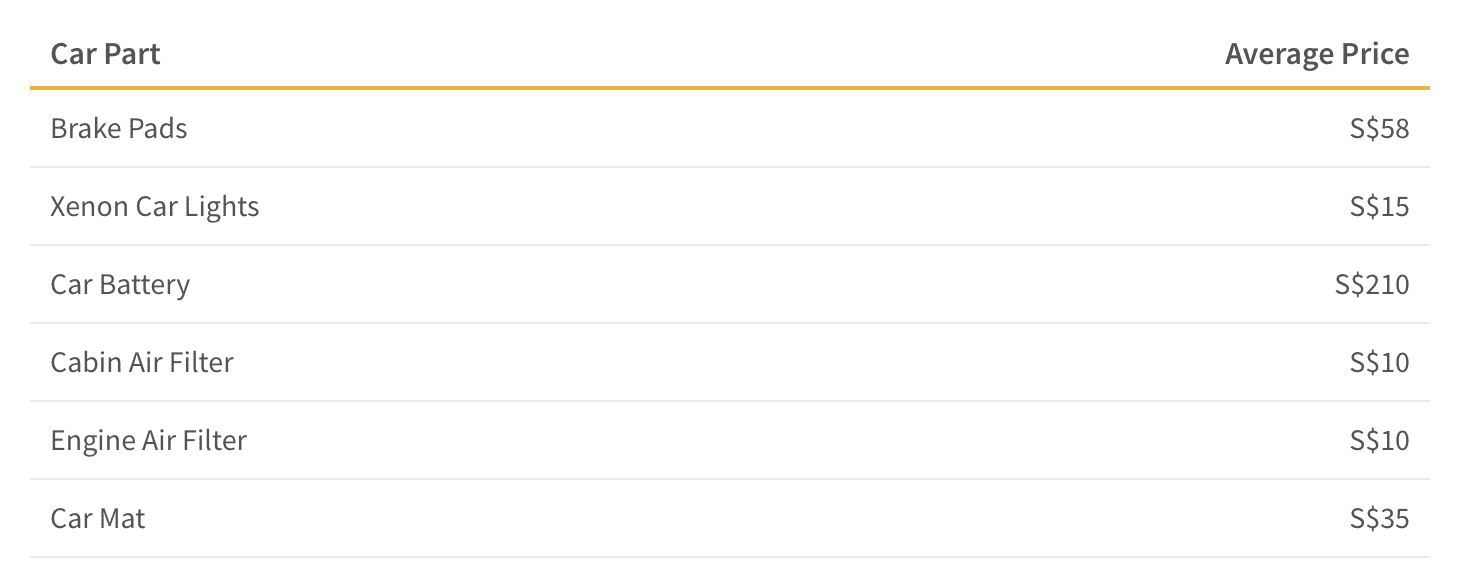
Towards the end of your car ownership and when you are getting ready to put your car up for sale, you should start thinking about replacing damaged or worn-out parts. While bigger repairs are best left to car mechanics, you can easily increase the value of your car by swapping out simple parts such as the brake pads, engine air filters, and car mats. Not only will this make the car feel newer and better to prospective buyers, but it will also benefit you for the rest of the time you own your car. For instance, replacing your brake pads can prevent accidents and damage. Additionally, replacing an engine air filter can increase fuel efficiency and prolong your engine’s life. These small changes can really add to the resale value of your car in the long run, especially since many dealerships will deduct any fees incurred for any repairs they have to do on their own.
Read Also : Common Water Heater Problems and How to Fix Them (Complete Homeowner’s Guide)
4. Choose the Right Avenue of Sale
In the United States, you can sell your car via a few different channels. The first way is to simply post an ad on a website and hope for the best price. The second way is to go through a used car dealership. The third way is a hybrid of the first two and involves using an agent (selling through consignment). All three channels have their benefits and drawbacks. Selling directly will give you greater control over the final sale price, but it may take you a long time to actually find a buyer. A consignment sale will result in more money for you and is cheaper than a dealer (usually a flat fee around S$500 or 1% of the sale price), but an inexperienced agent can make selling your car much more difficult. Used car dealerships guarantee some form of payment if they accept your car, although you will sell it for less than if you sold it directly.
Regardless of the channel you choose, you should conduct thorough research of the market. For instance, if you want to maximize resale value, you should get a few quotes from accredited dealers first, calculate what their final price would be, and go via the direct selling or consignment route. Those who are adamant about using a dealer should negotiate their price since dealers usually take a healthy profit margin of S$2,000 or more. While you may not get the exact price you initially ask for (hence you should consider initially highballing your sale price), you may end up settling on a happy medium that is still a few hundred dollars more than what you were initially quoted.
Read Also : 21 Safety Tips for Driving in Snow and Ice (A Complete Winter Driving Survival Guide)
5. Know the Selling Points of Your Car & Maintain Them
When you think back to when you first bought your car, there must have been some nugget of information that made you decide this car was the one you wanted. Whether it was a streamlined design, enhanced safety features,s or a great engine, these features were enticing enough to get you to spend tens of thousands of dollars. Since these features are most likely going to be the same selling points for future buyers, you should take extra care in maintaining them and highlighting them to future buyers.
For instance, let’s say one of your car’s selling points was its powerful Turbocharged DOHC V-6 engine. Since prospective buyers may be interested in your car because of its purported engine quality, keeping it in mint condition by using the proper grade fuel can help you negotiate a higher price. Likewise, if what drew you to your car was a sleek and ultra-modern design, you should take special care of its paint job and avoid scratches and dents.
Read Also : 17 Exterior Car Care Tips That Actually Keep Your Car Looking Brand New for Years
Conclusion
While people enjoy scoring a great deal, they’re also willing to pay extra for high quality. This is why it is important to keep your car in the best shape possible if you want to command a higher price. Due to the high volume of used cars for sale in the United States, it is up to you to prove to potential consumers why your car deserves to be priced at what it is—especially if you decide to charge a few thousand dollars above the average asking price for your model. Routine maintenance and paying attention to small details can mean the difference between barely selling a car for a lower-than-average price and negotiating a price that is several thousand dollars higher. On a market where the same user model’s price can range between S$67,800 and S$73,800, this means your couple of hundred dollars investment in keeping your car in top condition can easily lead to a price increase of 15-20%.
FAQ (Frequently Asked Questions)
1. How long does it usually take to sell a used car?
Typically between 1 and 4 weeks, depending on pricing, condition, and demand.
2. Should I service my car before selling it?
Yes, basic servicing increases buyer confidence and value.
3. Is it better to sell fast or wait for a higher price?
It depends on your urgency. Waiting often results in a better price.
4. Do photos really matter?
Absolutely. High-quality photos can increase buyer interest significantly.
5. Can I increase the price if many buyers are interested?
Yes, but do it carefully to maintain trust and credibility.