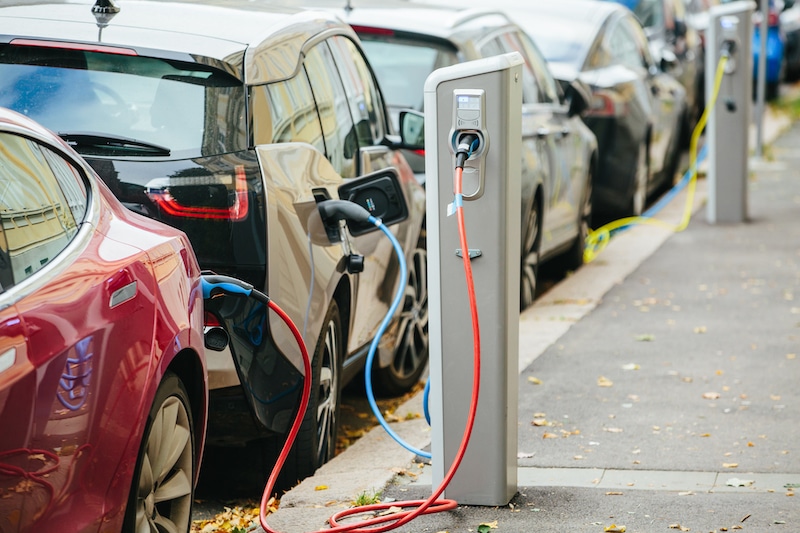
5 Things You Need to Know Before Buying an Electric Car – Electric cars are no longer just a futuristic idea or a niche product for early adopters. They are rapidly becoming a mainstream choice for drivers around the world. With rising fuel prices, stricter environmental regulations, and significant advances in battery technology, the shift toward electric vehicles (EVs) is accelerating faster than ever.
- 1. Home Charging Will Define Your Daily Experience
- 2. Real-World Range Is Often Lower Than Advertised
- 3. Charging Infrastructure Is Not Equal Everywhere
- 4. The True Cost of Ownership May Surprise You
- 5. Driving an Electric Car Changes Your Habits Completely
- Conclusion
- FAQ: Things You Need to Know Before Buying an Electric Car
But here’s the reality most people don’t talk about: buying an electric car without proper knowledge can lead to frustration, unexpected costs, and daily inconvenience. Many first-time EV buyers make avoidable mistakes simply because they assume electric cars work exactly like gasoline vehicles. They don’t.
From charging challenges and real-world range limitations to hidden ownership costs and infrastructure issues, there are critical factors you must understand before making the switch. This guide will walk you through the five most important things you absolutely need to know before buying an electric car—so you can make a confident, informed decision and avoid costly mistakes.
1. Home Charging Will Define Your Daily Experience
One of the biggest differences between owning a gasoline car and an electric car is how you “refuel.” Instead of stopping at a gas station, most EV owners charge their cars at home. This sounds simple, but it’s actually one of the most important aspects of EV ownership—and one of the most underestimated.
If your home charging setup is not ideal, your EV experience can quickly become inconvenient.
There are three main types of charging you need to understand. Level 1 charging uses a standard household outlet. It’s the slowest method, adding roughly 6 to 10 kilometers of range per hour. While it requires no installation, it is often too slow for most daily driving needs.
Level 2 charging is the most practical option for home use. It requires installing a dedicated charger, usually on a 240V circuit. This setup can add between 25 and 65 kilometers of range per hour, making it possible to fully charge your car overnight. Installation costs typically range from $500 to $2,000, depending on your home’s electrical capacity and layout.
Then there’s DC fast charging, which is commonly found at public stations. It can charge up to 80% of the battery in around 20 to 40 minutes, but it’s not suitable for home use due to cost and power requirements.
The reason home charging matters so much is simple: convenience. Imagine arriving home with 20% battery and needing your car again the next morning. With a proper Level 2 charger, that’s not a problem. Without it, you could be waiting most of the day.
Your living situation also plays a huge role. If you live in a house with a private garage, installing a charger is relatively straightforward. But if you live in an apartment or a rented property, charging access can become a serious challenge. Not all buildings support EV charging, and installing one may require permission or may not be possible at all.
Before buying an electric car, you should evaluate your home setup carefully. Check your electrical capacity, confirm you have a suitable parking space, and consult a licensed electrician if needed. This step alone can determine whether your EV experience feels effortless or frustrating.
Read Also : How to Get an ID Card in the United States (Step-by-Step Guide)
2. Real-World Range Is Often Lower Than Advertised
One of the most common misconceptions about electric cars is that the advertised range reflects real-world performance. In reality, the number you see on paper is often achieved under ideal conditions—conditions that rarely match everyday driving.
Several factors can significantly affect how far your electric car can actually travel on a single charge.
Driving speed is a major one. At higher speeds, especially on highways, the battery drains faster. Unlike gasoline cars, EVs are generally more efficient in city driving because they can recover energy through regenerative braking.
The weather is another important factor. In cold temperatures, battery efficiency decreases, and the vehicle uses additional energy for heating. It’s not uncommon to see a 20% to 30% drop in range during colder months.
Air conditioning and heating systems also impact battery consumption. Using climate control extensively can reduce your available range, especially during long trips.
Your driving habits matter as well. Aggressive acceleration and high-speed driving will drain the battery faster, while smooth and consistent driving helps maximize efficiency.
Even the weight of passengers and cargo can influence range. A fully loaded vehicle requires more energy to move, which reduces overall efficiency.
This is why relying solely on the advertised range can lead to problems. Many new EV owners experience “range anxiety” when they realize their car doesn’t perform exactly as expected in real-world conditions.
A smarter approach is to calculate your typical daily driving distance and add a buffer of at least 20% to 30%. For example, if you drive 50 kilometers per day, you should look for an EV that comfortably offers at least 200 kilometers of real-world range.
By planning realistically, you can avoid unnecessary stress and ensure your vehicle meets your actual needs.
Read Also : How to Defend Against Ransomware with Cloud Backup Solutions
3. Charging Infrastructure Is Not Equal Everywhere
Even if you have a great home charging setup, public charging infrastructure still plays a crucial role—especially for long-distance travel or unexpected situations.
The availability and reliability of charging stations can vary widely depending on your location. In some urban areas, charging networks are well-developed and easy to access. In others, especially rural or developing regions, finding a charger can be challenging.
There are different types of public charging stations. Level 2 chargers are commonly found in shopping centers, office buildings, and hotels. They are relatively slow but useful for longer stops. DC fast chargers, on the other hand, are designed for quick top-ups and are usually located along highways or major travel routes.
Before buying an electric car, it’s essential to research the charging infrastructure in your area. Check if there are stations near your home, workplace, and frequently visited locations. Also, consider the routes you take for long trips and whether charging options are available along the way.
One common mistake is assuming that charging stations will always be available when needed. In reality, you may encounter situations where stations are occupied, out of service, or incompatible with your vehicle.
Using mobile apps that provide real-time charging station information can help, but they don’t eliminate the need for proper planning.
If the charging infrastructure in your area is limited, your EV experience may become less convenient than expected. On the other hand, in regions with strong charging networks, owning an electric car can be incredibly seamless.
Read Also : Common Water Heater Problems and How to Fix Them (Complete Homeowner’s Guide)
4. The True Cost of Ownership May Surprise You
Electric cars are often perceived as expensive, and while their upfront cost is typically higher than that of gasoline vehicles, the overall cost of ownership can be significantly lower over time.
One of the biggest advantages of EVs is reduced running costs. Electricity is generally cheaper than gasoline, especially if you charge at home during off-peak hours. Over time, this can result in substantial savings.
Maintenance costs are also lower because electric cars have fewer moving parts. There’s no need for oil changes, and components like the transmission and exhaust system are either simplified or eliminated.
Brake wear is reduced as well, thanks to regenerative braking, which helps slow down the vehicle while recovering energy.
However, it’s important to consider all aspects of ownership. Battery replacement is one concern many buyers have. While EV batteries are designed to last between 8 and 15 years, replacing one can be expensive. Fortunately, most manufacturers offer long warranties, typically around 8 years or a certain mileage limit.
Insurance costs can vary depending on the model and region. In some cases, EVs may have slightly higher insurance premiums due to repair costs and specialized components.
There may also be incentives available, such as tax credits, rebates, or reduced registration fees, depending on your location. These incentives can significantly reduce the initial purchase price.
When evaluating costs, it’s important to look beyond the sticker price. Consider the total cost of ownership over several years, including fuel savings, maintenance, and potential incentives. In many cases, electric cars end up being more economical in the long run.
Read Also : 21 Safety Tips for Driving in Snow and Ice (A Complete Winter Driving Survival Guide)
5. Driving an Electric Car Changes Your Habits Completely
Driving an electric car is a fundamentally different experience compared to driving a gasoline vehicle. It’s not just about the technology—it’s about how your daily driving habits evolve.
One of the most noticeable differences is instant acceleration. Electric motors deliver power immediately, resulting in a smooth and responsive driving experience. Even non-performance EVs often feel quicker than traditional cars in everyday driving.
Another major difference is the silence. Electric cars operate with minimal noise, creating a quieter and more comfortable ride. This can be especially noticeable in city traffic.
Regenerative braking is another unique feature. When you release the accelerator, the car slows down and converts kinetic energy back into electricity. This not only improves efficiency but also reduces wear on the brakes.
Many EVs offer one-pedal driving, allowing you to control both acceleration and deceleration using a single pedal. Once you get used to it, it can make driving more intuitive and less tiring.
However, owning an EV also requires a shift in mindset. Instead of thinking about fuel levels, you’ll start thinking about battery levels and charging opportunities. Planning becomes more important, especially for longer trips.
Over time, most EV owners find that these changes lead to a more relaxed and enjoyable driving experience. Many even say they would never go back to gasoline cars.
Additional Considerations Before You Buy
Beyond the five main factors, there are several additional aspects worth considering.
Battery degradation is a natural process, but modern EV batteries are designed to maintain performance for many years. Proper charging habits, such as avoiding frequent full discharges, can help extend battery life.
Resale value is another factor. As EV technology continues to improve, older models may depreciate faster. However, strong demand for electric vehicles can also support resale prices.
Software and technology features are becoming increasingly important. Many EVs receive over-the-air updates, adding new features and improving performance over time.
Environmental impact is often a key reason people choose electric cars. While EVs produce zero tailpipe emissions, their overall environmental benefit depends on how the electricity is generated. Even so, they are generally cleaner than gasoline vehicles over their lifetime.
Read Also : 17 Exterior Car Care Tips That Actually Keep Your Car Looking Brand New for Years
Conclusion
Buying an electric car is more than just purchasing a new vehicle—it’s a transition to a different way of driving and thinking about transportation. While EVs offer numerous benefits, they also require careful consideration and preparation.
Understanding how home charging works, recognizing the difference between advertised and real-world range, evaluating charging infrastructure, analyzing total ownership costs, and adapting to a new driving experience are all essential steps.
By taking the time to research and plan, you can avoid common mistakes and enjoy the full advantages of electric vehicle ownership. With the right approach, switching to an electric car can be one of the smartest and most rewarding decisions you make.
FAQ: Things You Need to Know Before Buying an Electric Car
1. What is an electric car?
An electric car is a vehicle powered by electricity stored in rechargeable batteries, using electric motors instead of internal combustion engines.
2. How far can electric cars travel on a single charge?
Most modern electric cars offer a range between 250 and 500 kilometers, depending on the model and driving conditions.
3. How long does it take to charge an electric car?
Charging time varies. Home charging can take several hours, while fast charging can reach 80% in about 30 minutes.
4. Are electric cars more expensive?
They usually have higher upfront costs but lower long-term operating and maintenance expenses.
5. Can I charge an electric car at home?
Yes, most owners install a home charger for convenience.
6. What happens if the battery runs out?
You will need to recharge using a nearby charging station or arrange for towing.
7. Are electric cars safe?
Yes, they meet strict safety standards and often include advanced safety features.
8. Do electric cars require maintenance?
Yes, but fewer than traditional cars due to fewer mechanical components.
9. Is it worth buying an electric car now?
Yes, especially with improving technology, better infrastructure, and increasing affordability.